Who handles incident response?
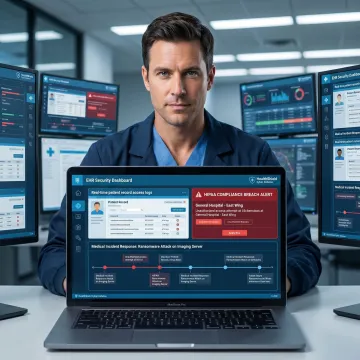
Incident response is typically handled by a specialized cybersecurity team that can identify the threat, contain affected systems, investigate the scope of compromise, and guide remediation. For healthcare organizations, that often includes security analysts, incident responders, and compliance-aware advisors who understand the importance of protecting patient data, preserving evidence, and restoring operations quickly while reducing further exposure.
What are the 5 C's of incident management?
The 5 C's of incident management are commonly described as command, control, communication, coordination, and closure, though terminology can vary by framework. In practice, they help structure how an organization leads the response, manages actions, communicates with stakeholders, coordinates technical and business teams, and documents recovery steps after the incident is contained and resolved.
How quickly should a healthcare organization respond to a data breach?
A healthcare organization should begin incident response immediately after suspicious activity or a confirmed breach is detected. Early containment can reduce data loss, limit operational disruption, and preserve forensic evidence. A strong response includes rapid triage, system isolation where needed, investigation of affected assets, and coordinated remediation steps to protect patient information and critical business functions.
What does healthcare breach incident response usually include?
Healthcare breach incident response usually includes threat identification, containment, forensic analysis, remediation guidance, recovery support, and post-incident recommendations. It may also involve log review, endpoint analysis, vulnerability assessment, and coordination around compliance obligations. The goal is to stop the threat, understand what happened, reduce downtime, and strengthen defenses so similar incidents are less likely to recur.
Can incident response help with HIPAA-related security concerns?
Yes. Incident response support can help healthcare organizations address security events involving protected health information by identifying affected systems, documenting the incident, supporting remediation, and improving controls tied to compliance requirements. While legal and regulatory determinations may involve internal counsel or compliance teams, a cybersecurity response partner helps provide the technical investigation and recovery actions needed after a breach.
What is the difference between MDR and incident response?
Incident response is focused on managing and containing an active or recently discovered security event, while MDR provides ongoing monitoring, threat detection, and remediation support to identify issues earlier. In healthcare environments, MDR can reduce the chance that threats go unnoticed, and incident response provides the structured expertise needed when a breach, ransomware event, or unauthorized access incident occurs.
How can healthcare organizations reduce the risk of another breach?
Reducing future breach risk requires more than fixing the immediate issue. Healthcare organizations should strengthen monitoring, address known vulnerabilities, improve patching, validate defenses through testing, and review access controls and response plans. Services such as vulnerability management, managed SIEM, penetration testing, and strategic security guidance can help build a more resilient environment after an incident.
Is 24/7 monitoring important after a healthcare data breach?
Yes. After a healthcare data breach, 24/7 monitoring is important because attackers may attempt to regain access, move laterally, or exploit unresolved weaknesses. Continuous monitoring helps detect suspicious behavior quickly, supports faster escalation, and gives organizations better visibility into their environment during a high-risk period. That added oversight can be critical for protecting sensitive records and maintaining continuity.