What is compliance monitoring in cyber security?
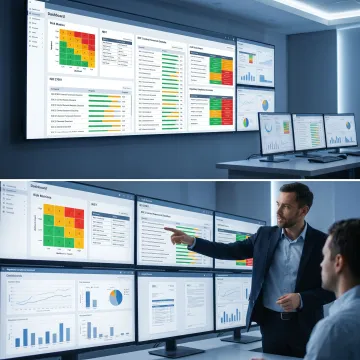
Compliance monitoring in cyber security is the ongoing process of checking whether security controls, system activity, and operational practices continue to meet required standards or regulations. It typically includes log review, control validation, vulnerability scanning, alerting, and evidence collection. Continuous monitoring helps regulated organizations detect gaps early, maintain audit readiness, and reduce the risk of noncompliance between formal assessments.
What is compliance reporting in cyber security?
Compliance reporting in cyber security is the documentation of how an organization’s security controls align with required frameworks, regulations, or contractual obligations. Reports may include risk findings, remediation status, control performance, incident records, and monitoring results. Effective reporting gives leadership, auditors, and stakeholders a clear view of current compliance posture and helps demonstrate that security requirements are being actively managed.
Which compliance frameworks can these services support?
These services can support organizations working toward frameworks such as CMMC and NIST, especially where ongoing monitoring, risk management, and technical validation are required. Support may include gap assessments, roadmap development, penetration testing, vulnerability management, SIEM visibility, and strategic oversight through vCISO services. The goal is to align security operations with the specific control expectations of each framework.
How does a vCISO help with compliance?
A vCISO helps translate regulatory and framework requirements into a practical security program. This includes prioritizing risks, defining policies, guiding remediation, coordinating stakeholders, and building a roadmap for stronger control maturity. For organizations without a full-time security executive, a vCISO provides experienced leadership that keeps compliance efforts organized, measurable, and aligned with broader business objectives.
Why is penetration testing important for regulated industries?
Penetration testing is important because it validates whether security controls can withstand realistic attack techniques. In regulated environments, that insight helps identify exploitable weaknesses before they lead to incidents, audit findings, or operational disruption. Testing also supports remediation planning and can provide evidence that the organization is actively assessing risk, strengthening defenses, and verifying the effectiveness of key safeguards.
What does ongoing vulnerability management include?
Ongoing vulnerability management typically includes continuous scanning, risk prioritization, remediation guidance, and patch management support. Rather than relying on occasional assessments, it creates a repeatable process for identifying and reducing weaknesses across systems and applications. For regulated organizations, this helps maintain stronger control hygiene, supports compliance monitoring efforts, and provides a clearer record of how risks are being addressed over time.
Can managed SIEM support audit readiness?
Yes, managed SIEM can support audit readiness by centralizing security event data, improving visibility, and creating a more consistent record of monitoring activity. It helps organizations track alerts, investigate suspicious behavior, and retain evidence that may be needed during assessments. When paired with documented processes and remediation workflows, SIEM services can strengthen both operational oversight and compliance reporting.
Are these services available around the clock?
Yes, Cybriant offers 24/7 operational coverage through services such as Managed Detection & Remediation, and the company’s listed working hours indicate around-the-clock availability. This is especially valuable for regulated organizations that need continuous monitoring, faster incident response, and dependable oversight outside standard business hours. Persistent coverage helps reduce response delays and supports stronger security continuity.